
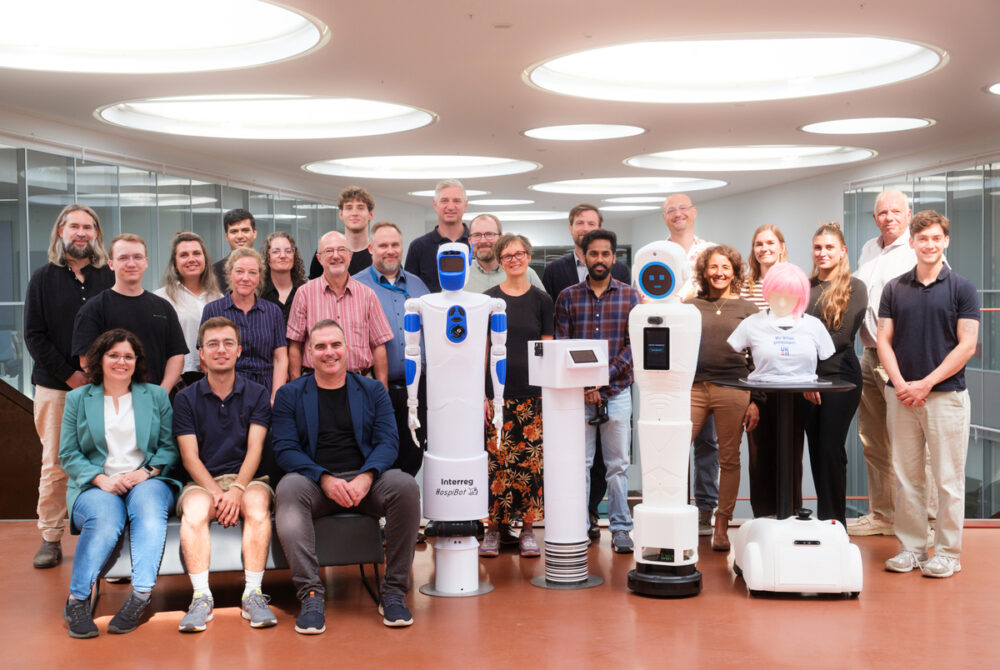
After three years of intensive research, development, and real-world testing, the German-Danish project HospiBot is celebrating a successful finish. The team developed a smart, modular robot system alongside practical guidelines to ease the burden on hospital staff.
With aging populations and growing healthcare worker shortages, hospitals are facing unprecedented pressure. Over the past three years, HospiBot explored how modern robotics can step in to handle routine, non-medical tasks and give care staff some breathing room. Funded with around €1.68 million from the EU’s Interreg Deutschland-Danmark program, the project officially concludes on August 30, 2026. The project partners gathered at the University of Southern Denmark (SDU) in Odense on August 20 to present their final results.
For three years we researched, built, and tested across the German-Danish border. It wasn’t always an easy sailing, but we have learned a lot along the way and achieved fantastic results. Seeing how many people connected with our work at various public events really showed us the huge interest for this technology and our project.
– Oskar Palinko, Project leader (SDU)

Modular Robotics Tailored for Everyday Clinic Life
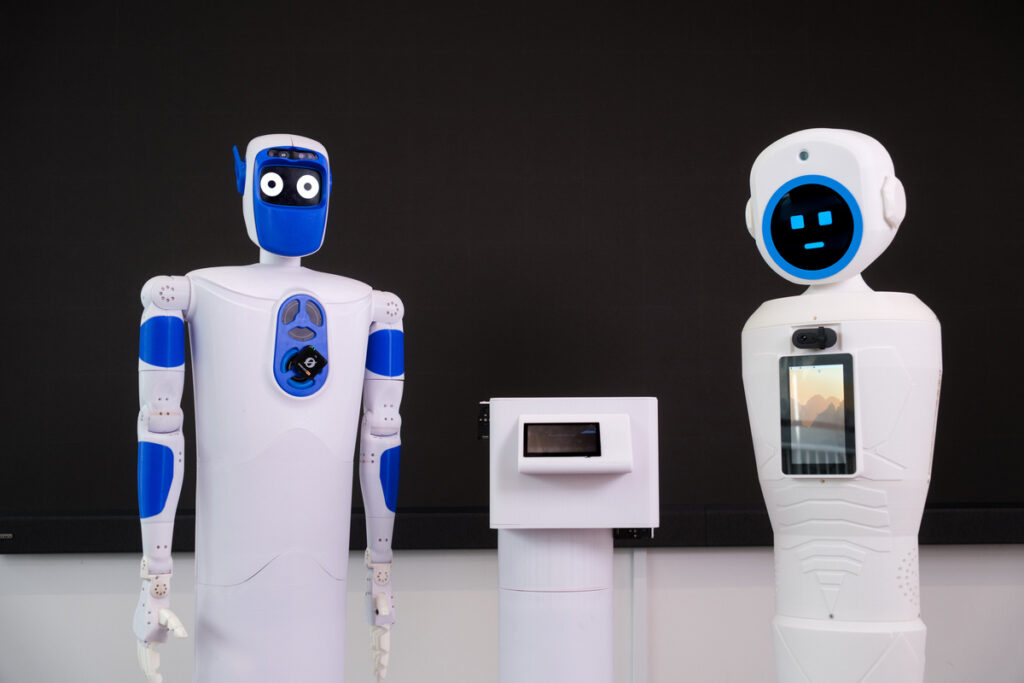
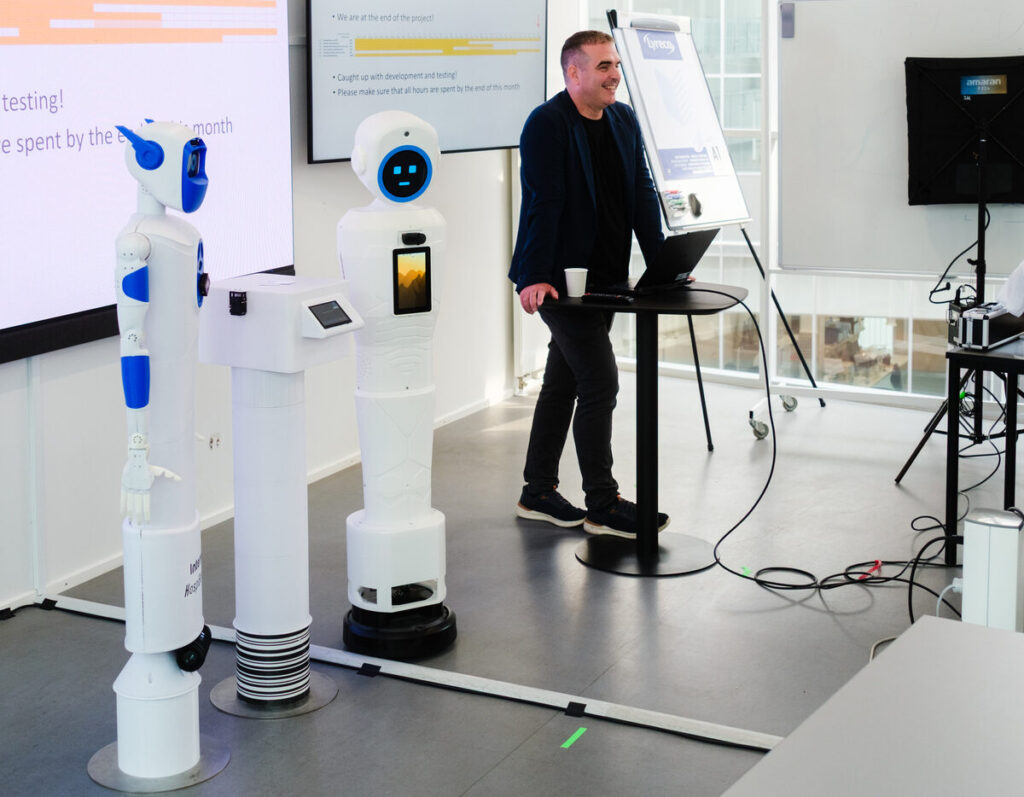
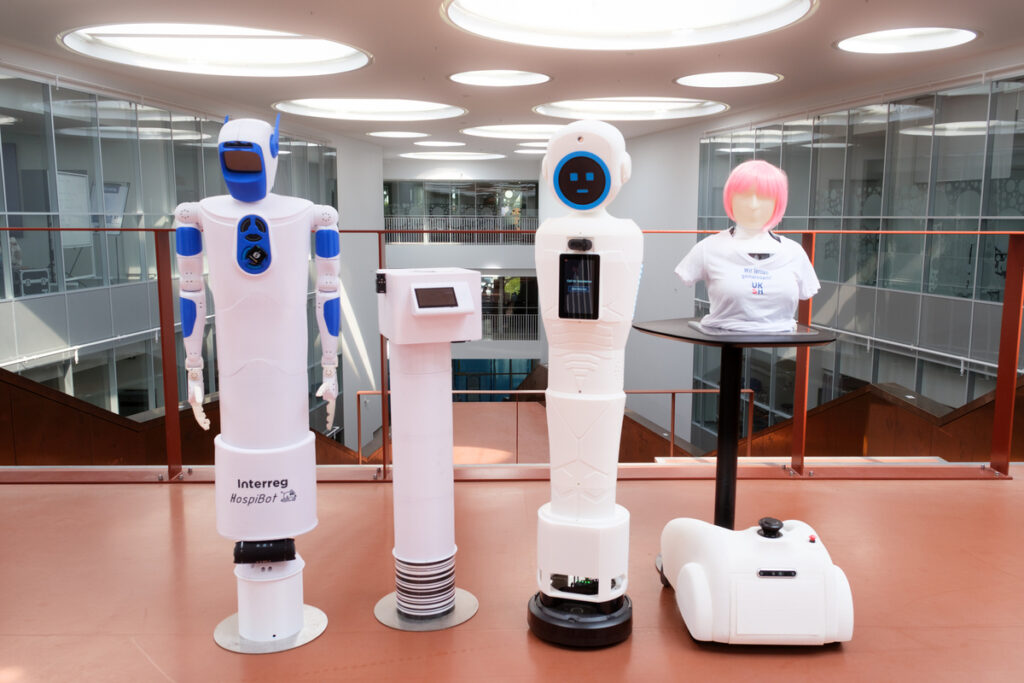
At the core of the project is a modular robotic system developed by the University of Southern Denmark (SDU) and the University of Lübeck (UzL). It features an agile, fully autonomous mobile base as well as three specialized modules: Robot HuGo, robot Tele and an ergonomic transport box.
Mobile Base
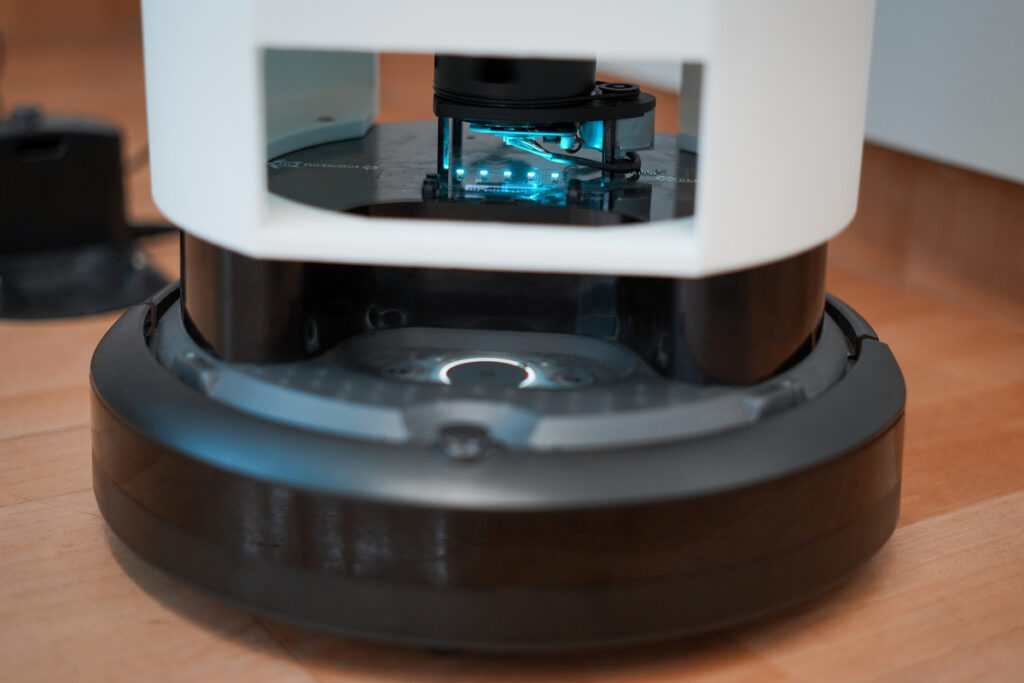
The mobile base platform serves as a motorized chassis for the specialized add-on modules. It works fully autonomously and stands out for its high compatibility and flexibility. It calculates routes dynamically, reacts to obstacles in real time, and automatically reroutes when needed. Precise distance tracking and positioning rely on motion sensors, while navigation and spatial awareness are powered by a laser scanner and an optical depth camera. For smart object detection, camera feeds are analyzed using the YOLO AI model. Once the platform reaches its destination, it detects the waiting module and attaches it completely on its own.
HuGo
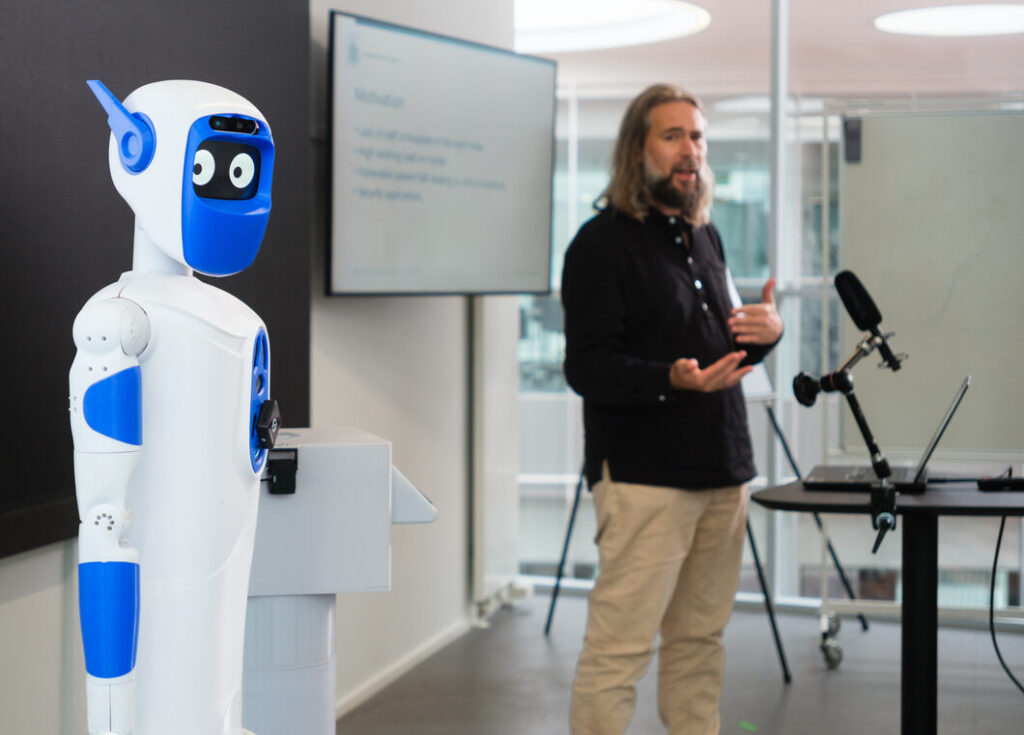
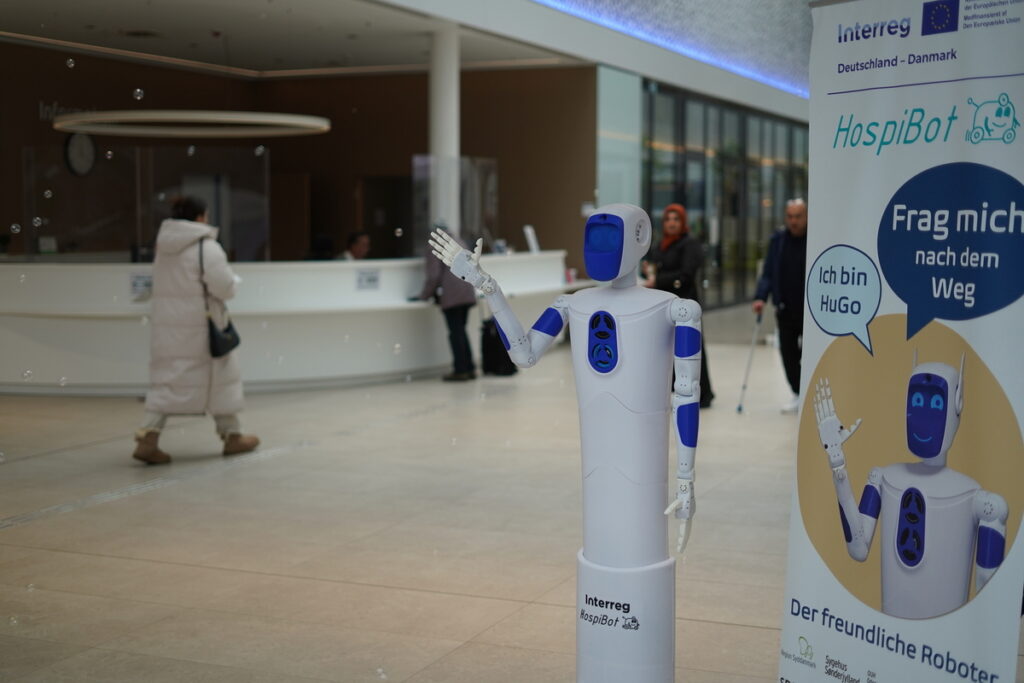
A friendly humanoid robot designed to welcome visitors, answer questions, give directions, and even physically escort people to their destination when attached to the mobile base. HuGo also turned out to be a great interaction partner to young patients by co-creating unique stories.
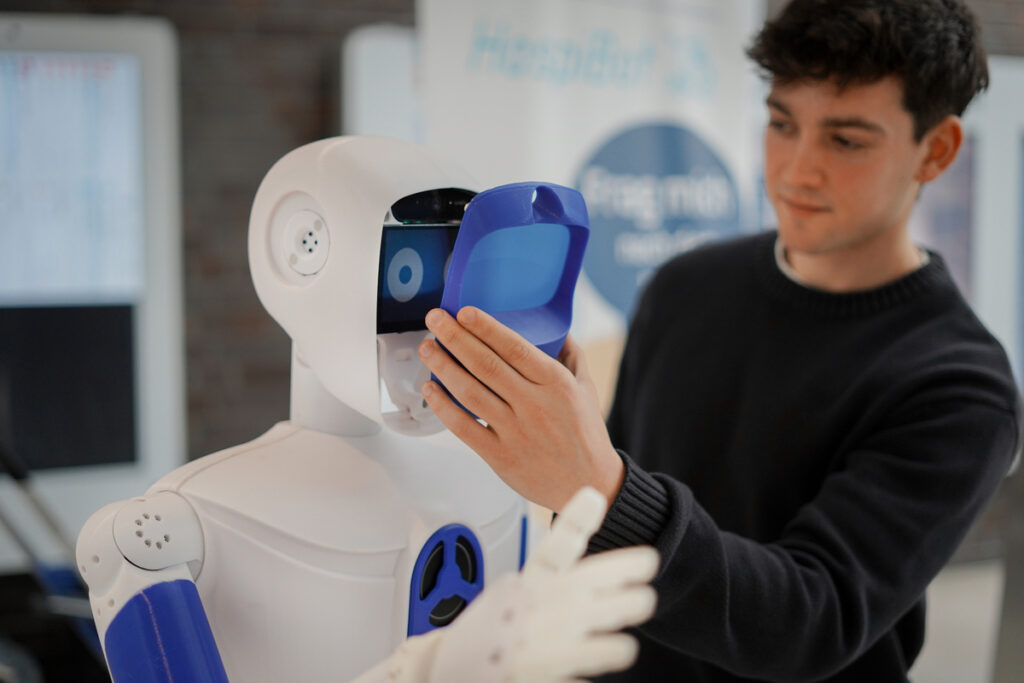
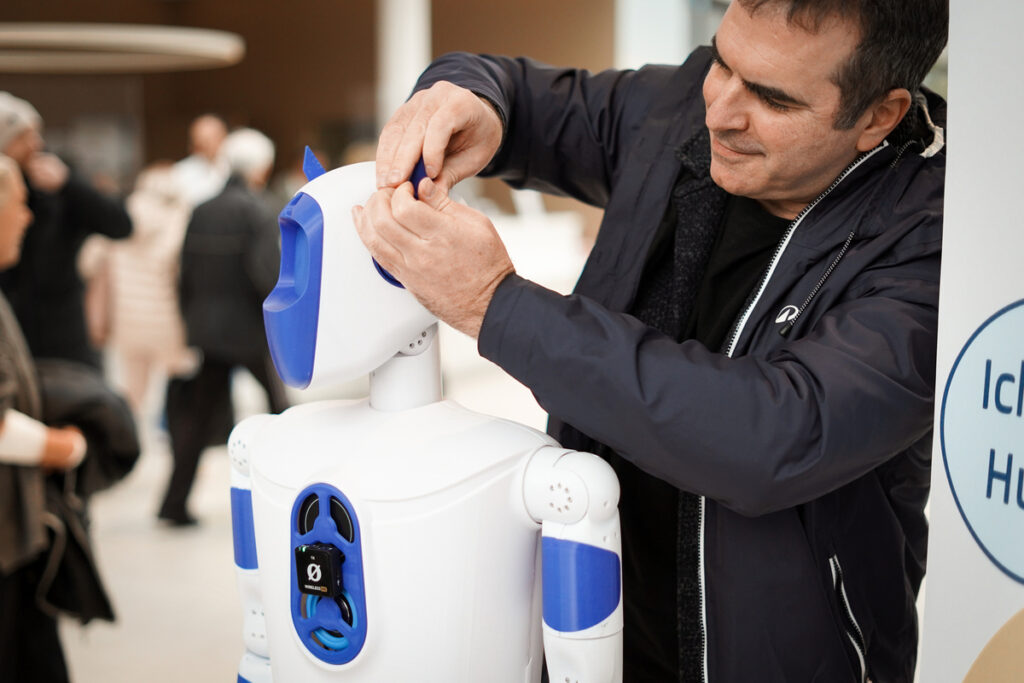
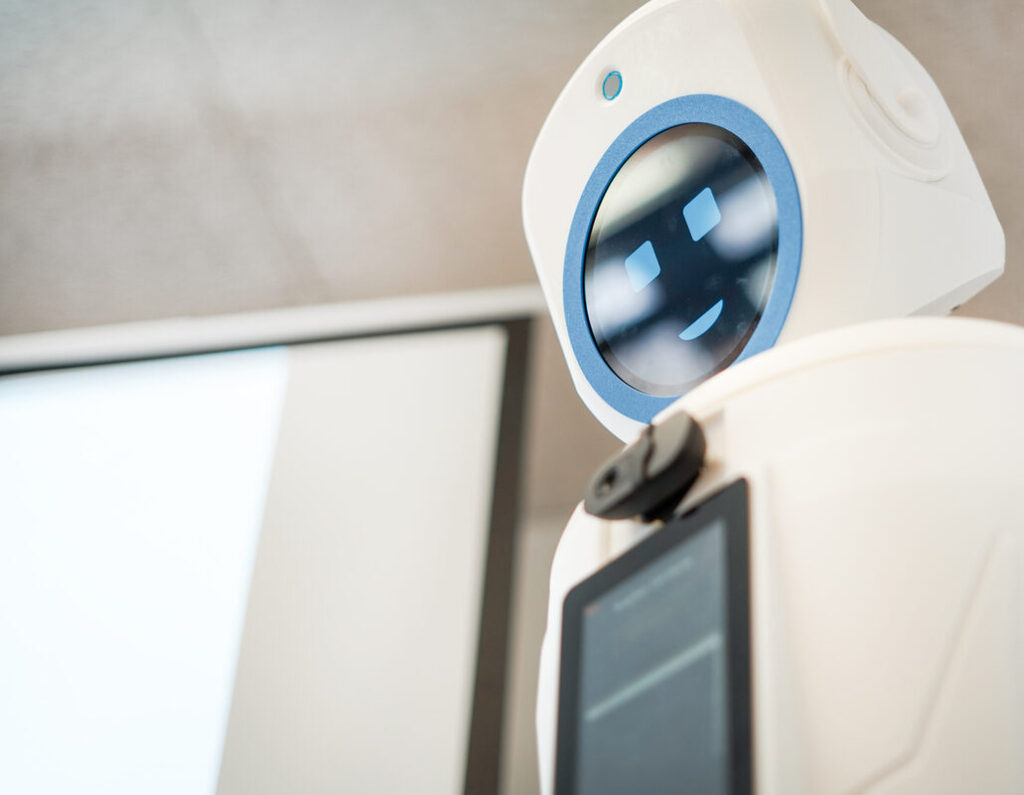
HuGo is designed to make human-robot interaction feel as natural and comfortable as possible. Depending on the task, he operates either offline or powered by generative AI, running on the Robot Operating System (ROS) and programmed primarily in Python and C++. He detects people in the room, follows them with head and eye movements, and conveys emotions through animated eyes and expressive arm motions. In addition, HuGo’s modular body consists of over 40 parts connected by magnetic fasteners, allowing his physical look to be changed in seconds. His soft, elastic fingers require only a few actuators to deliver lifelike gestures and can even grasp small items.
Tele
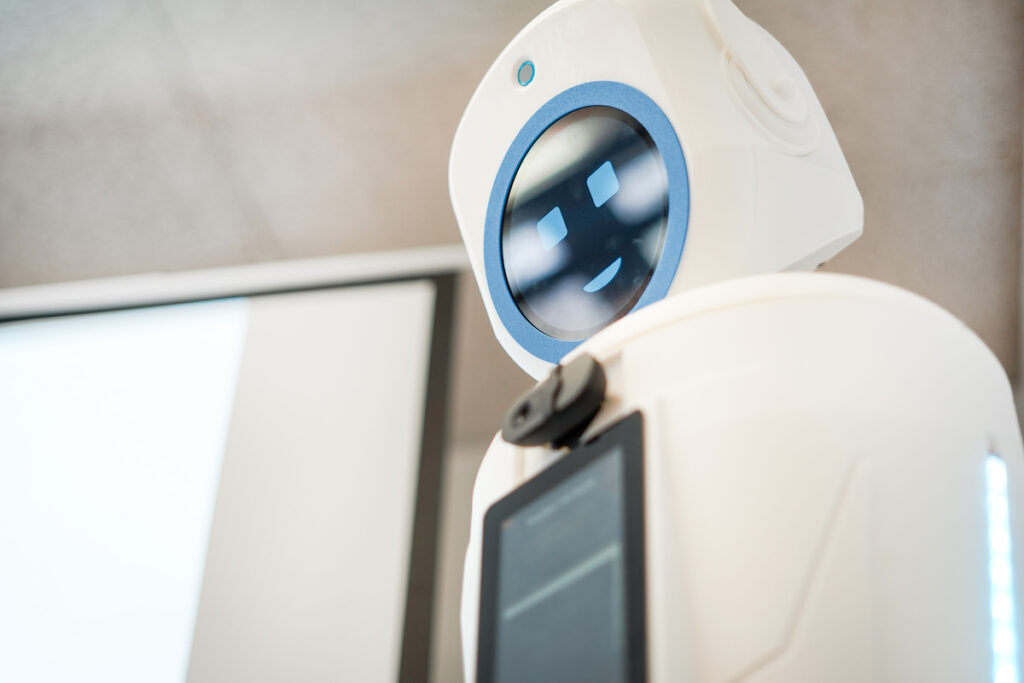
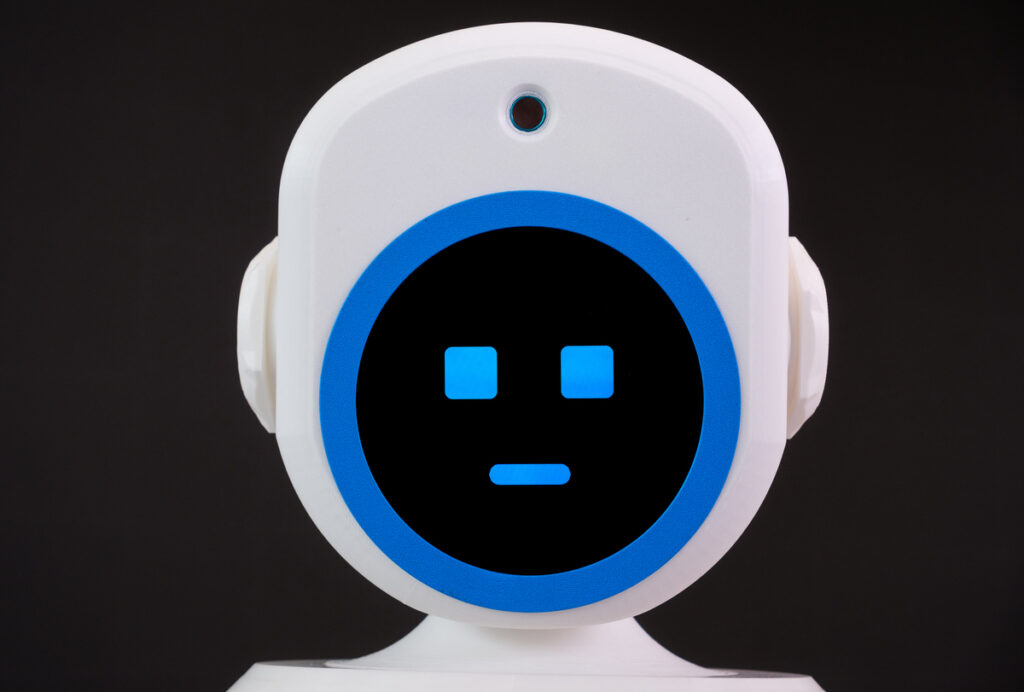
A security and telepresence robot that patrols hospital hallways at night. Tele spots people in need of help, for example individuals wandering disoriented or lying on the floor. Its detection system combines a thermal imaging camera with radar sensors and is thereby fully respecting patient privacy. In case of emergency like breathing cessation Tele immediately alerts nursing staff.
AI algorithms also recognize if someone is trying to interact with Tele, prompting the robot to stop, make eye contact, and follow their movements. For instant communication, Tele features videocalls enabling people to connect with staff at the push of a button.
Ergonomic Transport Box
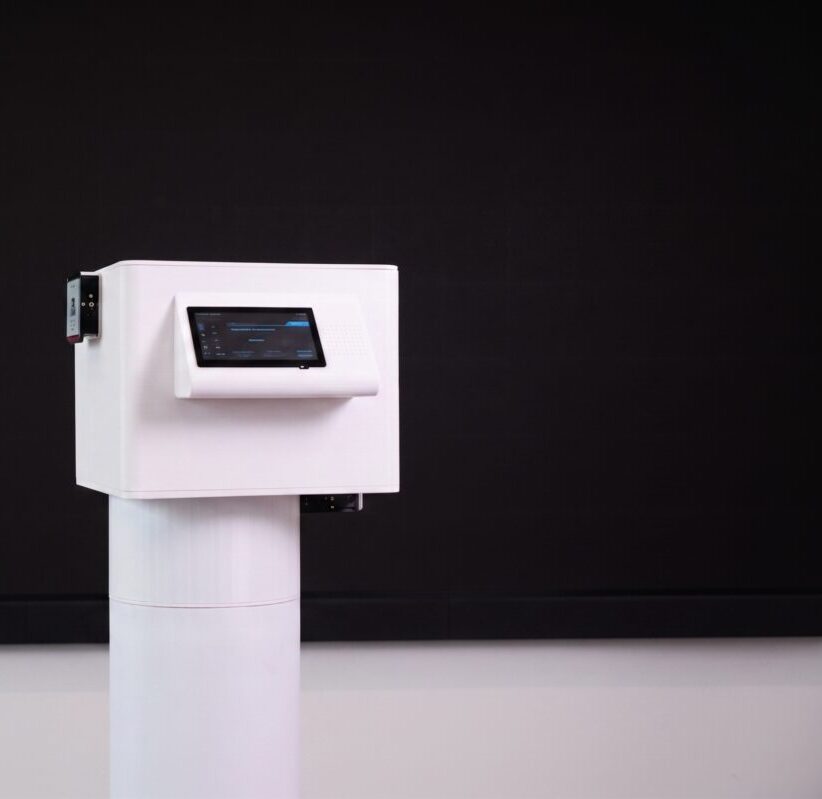
A practical on-demand delivery module that can save staff countless steps across long hospital corridors. Technically a box on a pole, this ergonomic and save module handles spontaneous transport tasks whenever needed. The box is equipped with a secure access system that can only be unlocked by authorized staff members.
Close integration of research and practice
A major key to success was the close collaboration between researchers and healthcare professionals. Led by Sygehus Sønderjylland (SHS), the prototypes were put through their paces in daily routines across four partner hospitals in Germany and Denmark and continously optimized based on direct feedback.
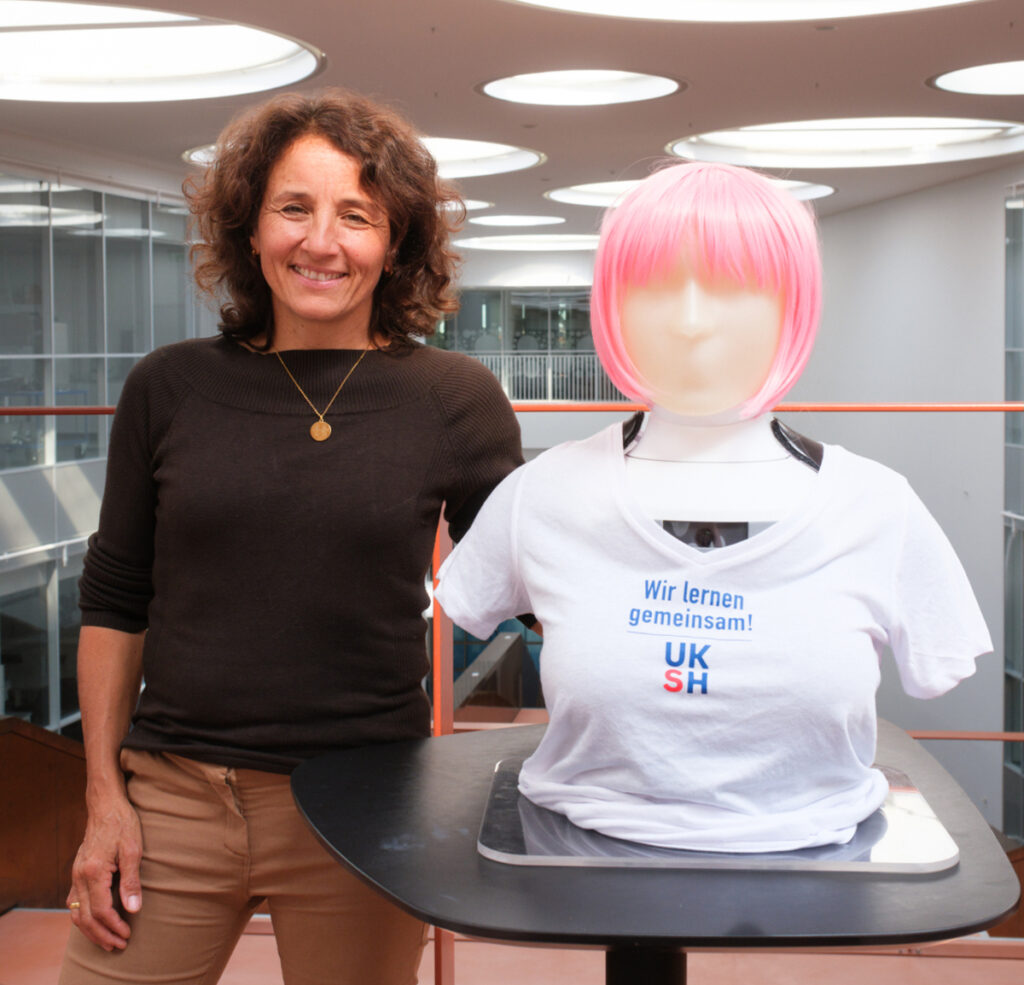
Kiel University of Applied Sciences (HAW Kiel) explored innovative interaction models using the social research robot Furhat. Together with Universitätskrankenhaus Schleswig-Holstein (UKSH), the university plans to continue exploring Furhat’s potential for language training with international hospital staff even after the HospiBot project ends.
Tackling legal Hurdles for Service Robots
Navigating legal and regulatory frameworks remains one of the toughest challenges when bringing service robots into healthcare. To tackle this, Fraunhofer IMTE drafted practical cross-border guidelines to help hospitals safely and smoothly integrate service robotics into their daily workflows. The guidelines will be avaiable for download on this website shortly.
Our goal is to establish clear guidelines for legal classification and provide a practical roadmap outlining the specific regulations to follow. This supports a safe and compliant integration of the technology.
– Lina Behrends, Deputy Head of the Rehabilitation Business Unit at Fraunhofer IMTE
A final report will be available for download shorty after the project officially ended on August 31, 2026.
About the author

Wiebke Behrens-Focken
Hi! Im part of HospiBot’s external communications team. My aim is to make the complex work behind our research project understandable and accessible to a broader audience. That way I can raise awareness of intelligent technologies like robots, foster trust in their use, and encourage public dialogue about their role in healthcare and society.