
Fraunhofer IMTE cleares HospiBot’s path to healthcare practice

Ten project partners are working together at HospiBot on the development and research of service robots in healthcare. Fraunhofer IMTE plays a special role in this: the institute is concerned with the legal framework conditions that enable the use of robots in practice. Lina Behrends works as deputy head of the Rehabilitation business unit at Fraunhofer IMTE. She tells us how Denmark and Germany are dealing with the use of service robots in healthcare and in what both countries can learn from each other.

Fraunhofer IMTE plays a special role in the HospiBot project. Unlike other partners, you aren’t focused on the hands-on development of the robots. What is your focus?

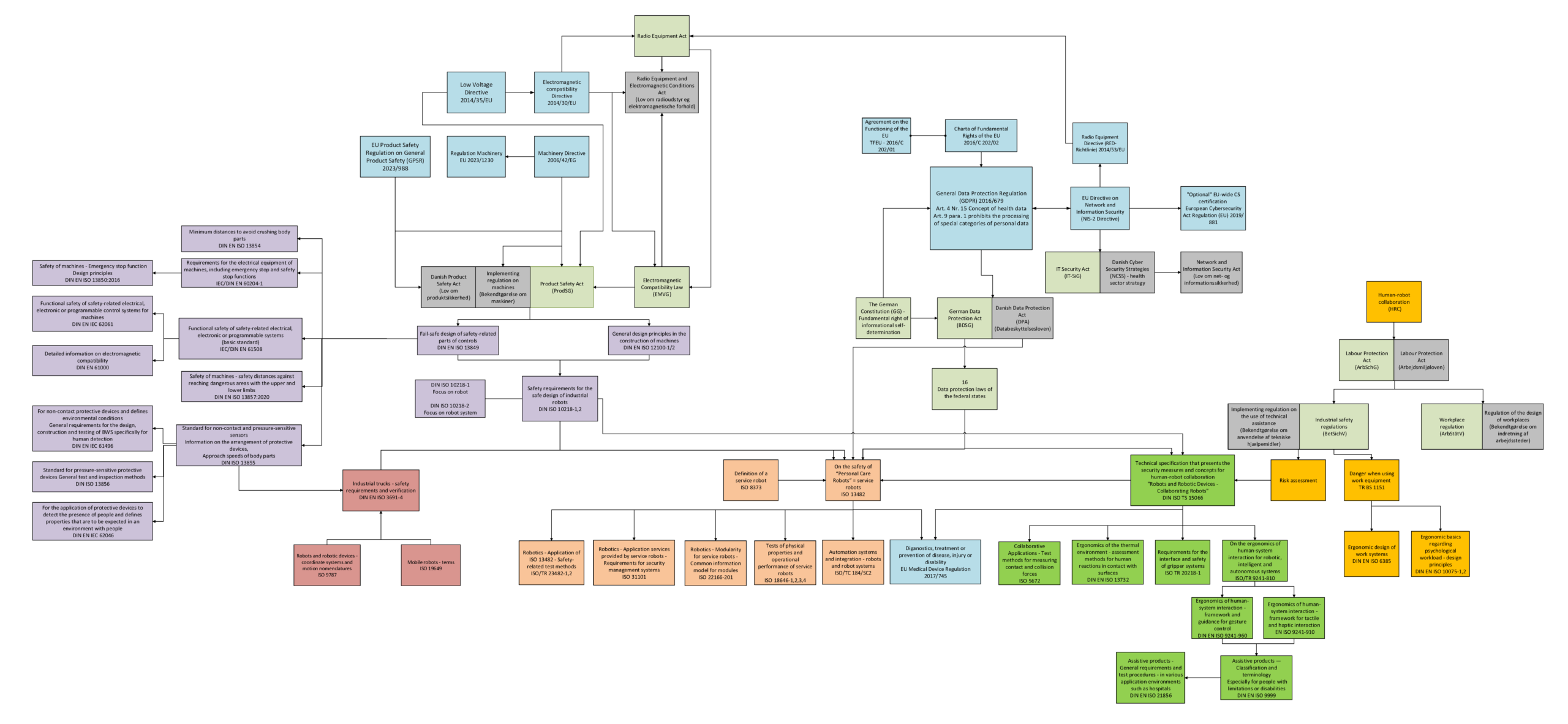
Lina: One of the biggest hurdles for getting service robots into healthcare is the legal framework. You have to deal with a mix of EU-wide rules, national laws as well as specific regulations of each hospital. However, service robots are often not explicitly addressed in these regulations. Also their classification is not always clear, especially as they get smarter and gain more and more features. Hospitals have to figure out themselves which tasks to use robots for, which makes it difficult to apply the technology in a consistent and efficient way. At Fraunhofer IMTE, we are therefore developing a framework to help hospitals make decisions about the use of service robots.

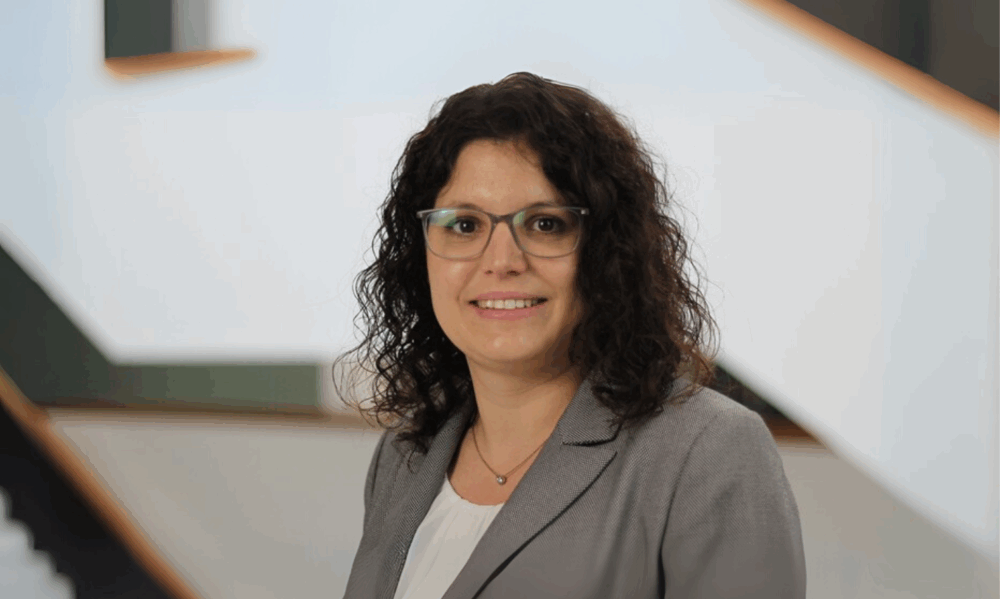
Lina Behrends - Fraunhofer IMTE

That sounds like a complex task. How are you going about it?

Lina: We already examined existing regulations, standards, and guidelines for service robots at national and European levels. A relevant question is wheter a service robot is considered a simple work tool or a medical device. This affects aspects of product, data and occupational safety as well as cybersecurity. Next, we identified internal regulations in German and Danish hospitals. Hygiene plans, for example, play a major role in the use of social robotics. We also used surveys and interviews with experts to gather more information. We are comparing the two countries to find out where they can learn from each other. So the basic framework is already in place. Now we are working on a strategy for dealing with these challenges. Now we are working on a strategy to handle these challenges.

How do Germany and Denmark compare when it comes to service robots?

FH_Kiel_mit_Rand
click to zoom

Lina: Since both countries follow EU guidelines, they actually have a lot in common. However, each country has some freedom in how they turn those guidelines into local laws. Germany tends to be stricter in some areas. Our Basic Law firmly protects the right to control your own personal data, which leads to a very cautious culture when it comes to data privacy. On the other hand, we are testing some very innovative products in Germany, like robots that can disinfect themselves. But the biggest difference is in the daily routine: in Denmark, service robots are already working in various parts of the hospital, either completely on their own or with little human supervision. German hospitals, however, are mostly in the testing phase. While Germany can learn from Denmark’s flexibility, Denmark can get some great ideas from Germany’s focus on hygiene and inclusive design.

What is still missing for a widespread dissemination of service robots in healthcare?

Lina: We’re missing a clear, standardized legal framework. We should consider that healthcare involves vulnerable groups, like the elderly or those with disabilities. Their needs are often overlooked in current laws and norms. Furthermore, we need to build robust cybersecurity to keep sensitive data safe and prevent any tampering with the robotic systems.

Thank you for these valuable insights, Lina!

About the author

Wiebke Behrens-Focken
Public Relations at Kiel University of Applied Science

Hi! Im part of HospiBot’s external communications team. My aim is to make the complex work behind our research project understandable and accessible to a broader audience. That way I can raise awareness of intelligent technologies like robots, foster trust in their use, and encourage public dialogue about their role in healthcare and society.

Lina Behrends
Deputy Head of Rehabilitation at Fraunhofer IMTE

Hello! I am a research associate in the HospiBot project, primarily working on the development of a policy document for the use of mobile service robots in hospitals within the German-Danish program region. The aim is to facilitate the cross-border deployment of these innovative service robot technologies in hospitals.

Leave a Reply

Your email address will not be published. Required fields are marked *